
David Morse Playing Cops
a survey of when and where David Morse, the John Wayne of playing cops, played cops

The other day in the car, after some aimless meditation, I said to my partner, “Hey, can you send me a text really quick? I wanna make sure I remember this: ‘David Morse as the John Wayne of playing cops.’” I did not know what to do with this, I just wanted to ruminate on it.
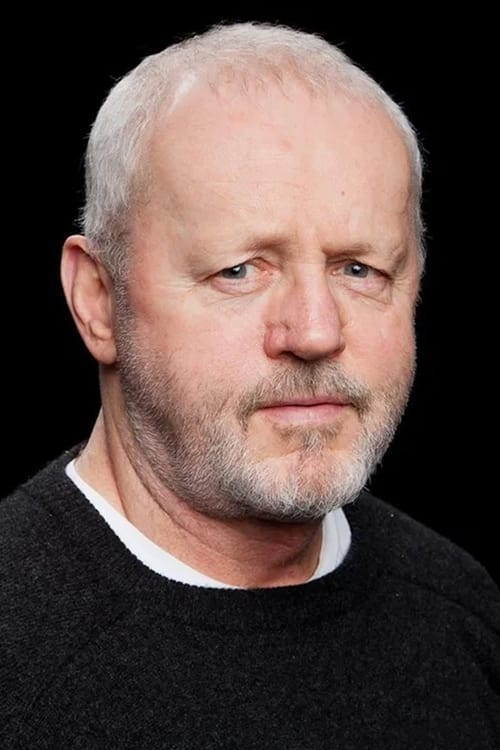
David Morse is one of our finest living character actors. He is the king of third-billing. He fits well in almost any mode. He got his big break as a lead on St. Elsewhere, and though he has had prominent roles in film, he has continued nailing roles as guests and regulars—but rarely the star—on TV. Television is almost certainly where I first took true notice of him—as a season-long villain on House M.D.—though he had already made himself a staple in my household with his supporting turn in The Green Mile. Note that in both of these early exemplars, he is playing a cop.
John Wayne didn’t always play a cowboy, but we think of him as a cowboy. Nor did he always play the same kind of cowboy; instead, he encapsulated every type of cowboy, from its most noble ideal (e.g., his false-start breakout in The Big Trail and then his real breakout in Stagecoach) to its most jaded and chauvinistic (e.g. The Searchers). Few think of Wayne as an adaptable actor, but he was—it depended on the context in which he was placed and the material he worked with. He brought an integrity and consistency to every archetype. In this same stoic way Morse has, throughout his career, embodied the Cop. Let me put it this way: Morse plays a cop in House M.D. and Treme. In both cases he appears, exhibiting entirely different energies, portraying cops of wildly different modus operandis, and yet you see him on-screen and it feels right. You know what you’re seeing. You know who this guy is.
The following is not an analysis—as I only have so many hours in a day and desire to watch Movies That Don’t Exist, a David Morse special—but simply a survey, an accounting, for posterity and my own curiosity, of When and Where David Morse Played a Cop. It is too long for email, so if you want to get the full history, the full experience, open this bad boy in your browser or app.
Preludes to Playing a Cop
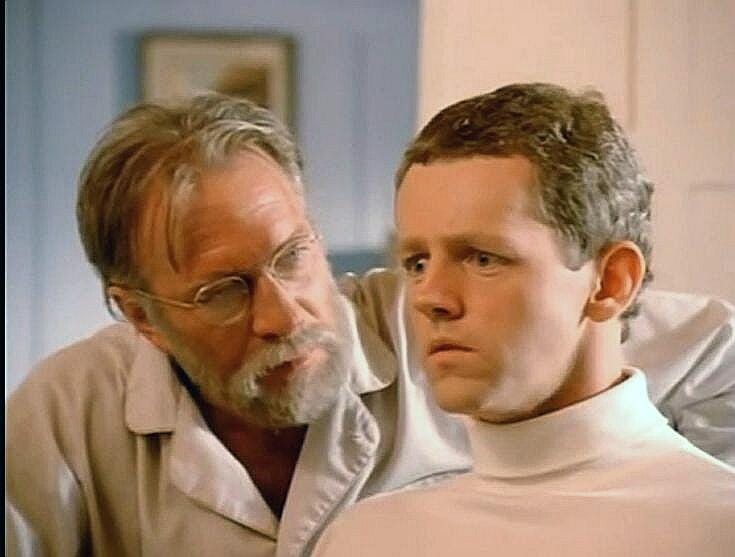
As I noted, Morse got his major start in St. Elsewhere, where, naturally, he plays a doctor. This gig took up the majority of his 1980s, and concurrent with its run he appeared in an abundance of television films, like Prototype (1983), where he plays a robot created by Christopher Plummer:
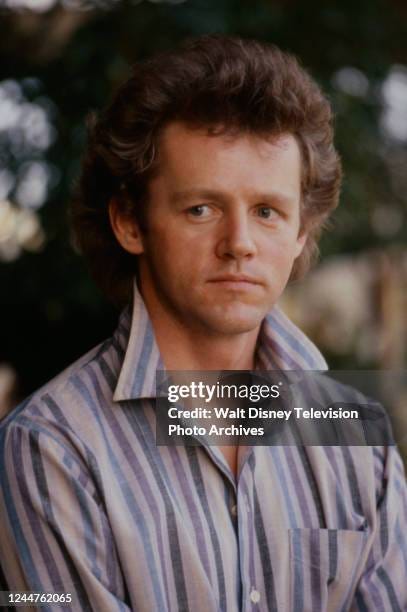
or When Dreams Come True (1985), where he plays a mysterious stranger who looks like this:
As St. Elsewhere neared its conclusion, Morse hosted a PBS educational program called KnowZone (1987), which seems not to exist in a viewable form. Someone on the internet uploaded this short little scan of a 16mm clip from the show’s intro and funding bumpers, which at least gives us a glimpse of what the incessant march of time has stolen from us: David Morse saying “If you kept a tiger in your house, you’d probably wanna know that you understood the nature and habits of tigers.”1
In 1987, he costarred in Six Against the Rock, a TV film2 starring David Carradine about inmates trying to escape Alcatraz, which sticks out primarily because Morse would eventually co-star in Michael Bay’s The Rock, where, as in this TV film, he plays support to the film’s antihero.
The Age of Cop Begins
Perhaps a bit unceremoniously, Morse’s career-long tendency toward playing cops begins with another TV film from 1987: Downpayment for Murder. The film stars Ben Gazzara as a man who hires someone to kill his wife. Morse plays a character called Detective Jackson, and he is pictured here in an image from a VHS release arresting Gazzara’s character:
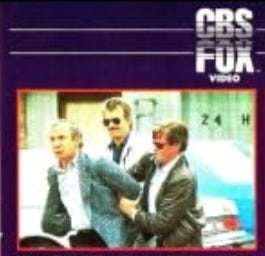
This entire film is available in terrible quality on YouTube, where a cursory scan gave me a scene where Morse, with his partner played by Jonathan Banks (!!!), have a prickly exchange with Gazzara, who tells them they’d make better marriage counselors than cops. Morse laments: “How many times we run up against jerks like this, and we can’t do zip, and then somebody’s blood gets spilled? It makes me sick!” Morse, amazingly, looks like this:
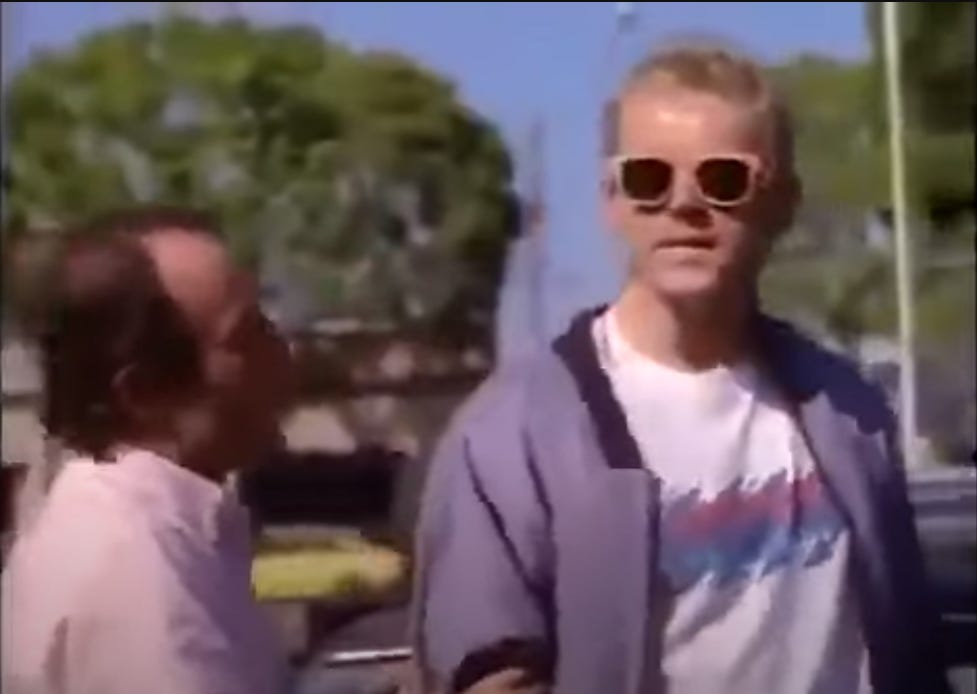
In 1991, Morse made his first appearance on cinema screens as a cop. He starred in Sean Penn’s The Indian Runner, a film adapted from the Bruce Springsteen song “Highway Patrolman,” as that titular patrolman.
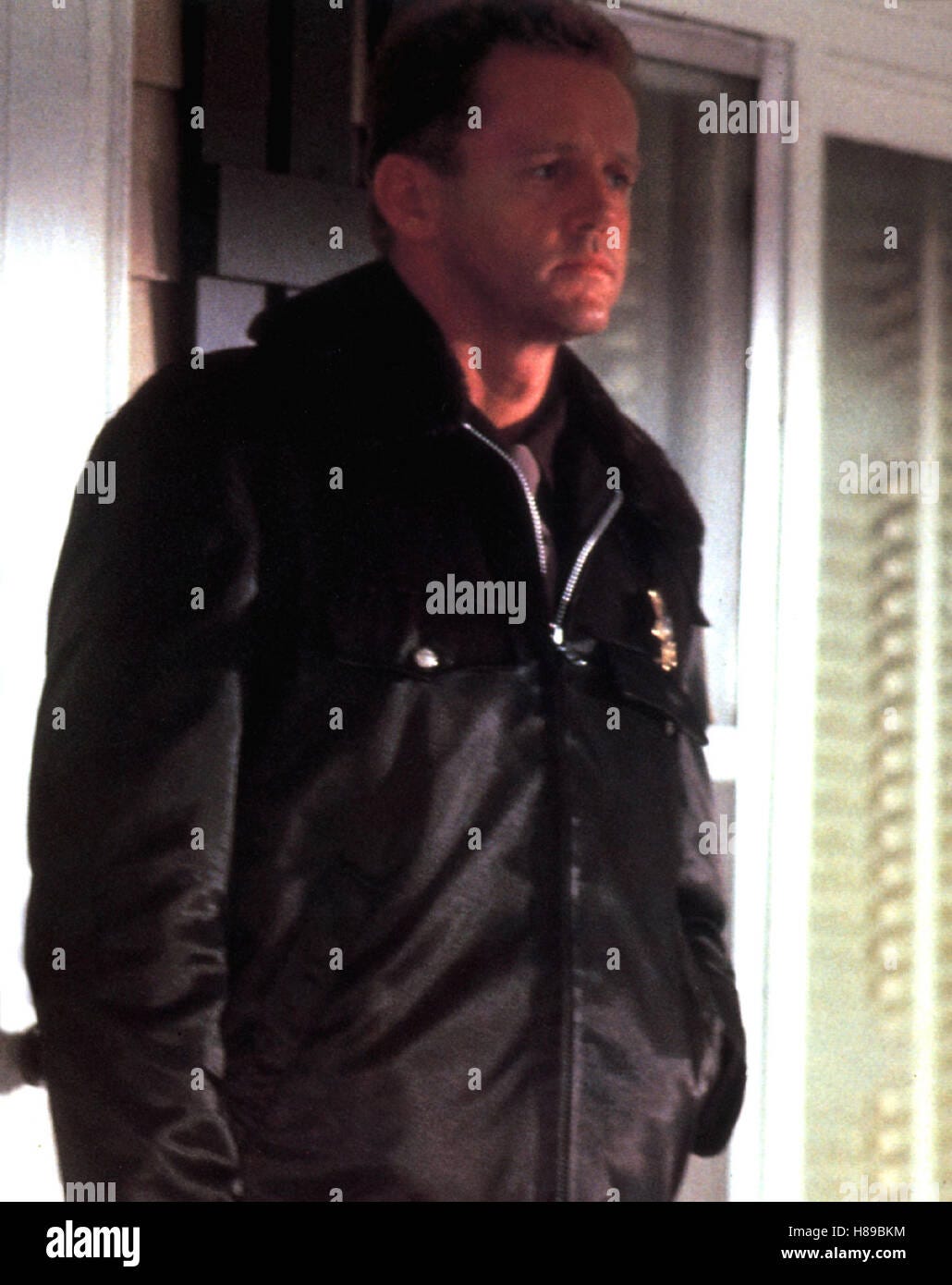
The song and film are about a patrolman who must reckon with his troubled Vietnam vet brother. It’s probably one of the best songs Springsteen ever recorded, a true epic in miniature. The way Springsteen sings the melodies at the ends of the verses (e.g. “man turns his back on his family… / well he just ain’t no good”) always kills me and sticks with me; I can hear it in my head just seeing the title of the song. I admit I’m skeptical of films that adapt songs, let alone films directed by Sean Penn. But again…this isn’t an analysis, just an accounting. Morse plays the patrolman, Viggo Mortensen plays his addled brother, and the cast is rounded out with Charles Bronson and Dennis Hopper of all people.
He followed this quickly by portraying a Texas Ranger in a 1992 episode of Tales from the Crypt, “Showdown,” directed by Richard Donner. Morse’s ranger is shot down by a gunslinger who is subsequently haunted by all his past victims.3
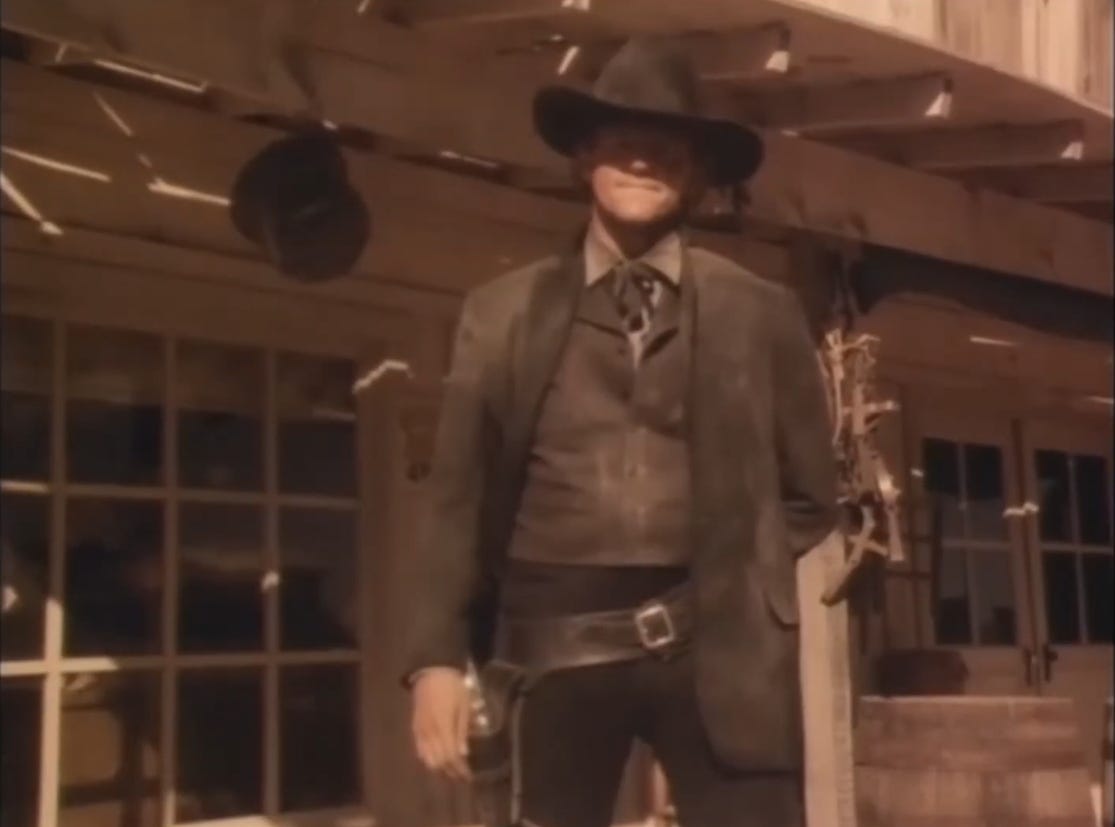
Morse in the 90s4
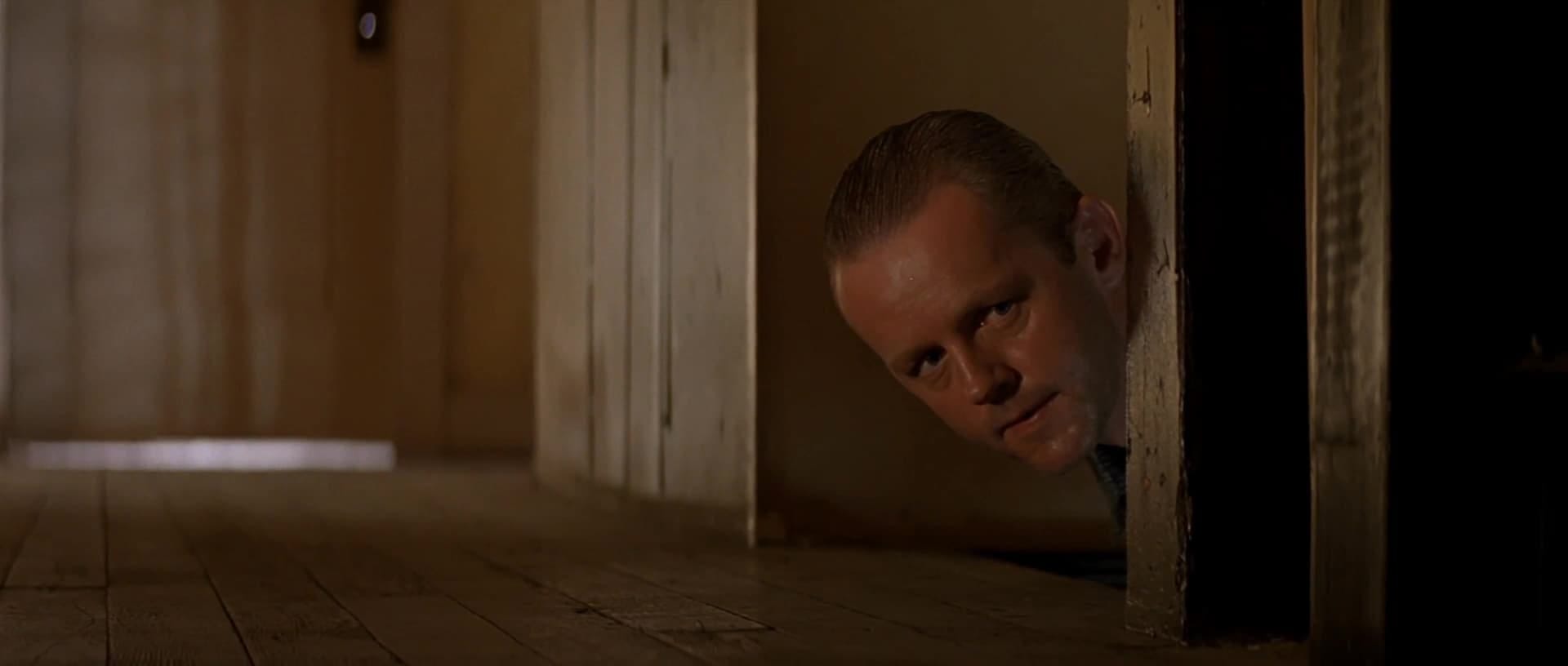
Morse really started crossing over as the 90s went on. He continued a robust run of TV movies (including The Langoliers [1995] and Cry in the Wild: The Taking of Peggy Ann [1991], which sounds kind of good), made his way into a single episode of Homicide (1995) (as the cousin of a cop, but not a cop himself), and co-starred (with the “And” in the opening credits) in a terrible-looking sitcom called Big Wave Dave’s (1993) about three buddies who decide to open a surf shop. He is the titular Dave. He did all this while elevating his theatre career, which had diminished during his time on St. Elsewhere.5
His film career really took off in the 90s. After The Indian Runner, he showed up in classic Third Billed David Morse type roles in The Good Son (1993) and The Getaway (1994), then reunited with Penn for The Crossing Guard (1995), for which he received a supporting actor award at the Indie Spirits (movie sounds terrible). He shows up in a small but incredibly important part in 12 Monkeys (1995). He rounds out a nice ensemble of ex-army grunts working for Ed Harris in The Rock (1996) (quasi-cop; if he were current military, I’d say totally cop).
In Extreme Measures (1996), a 1996 Hugh Grant / Gene Hackman thriller that it feels virtually impossible to want to watch, David Morse plays FBI agent Frank Hare. He looks to be partnered with Bill Nunn, and now just one sentence later I completely take back that this movie doesn’t seem worth watching.
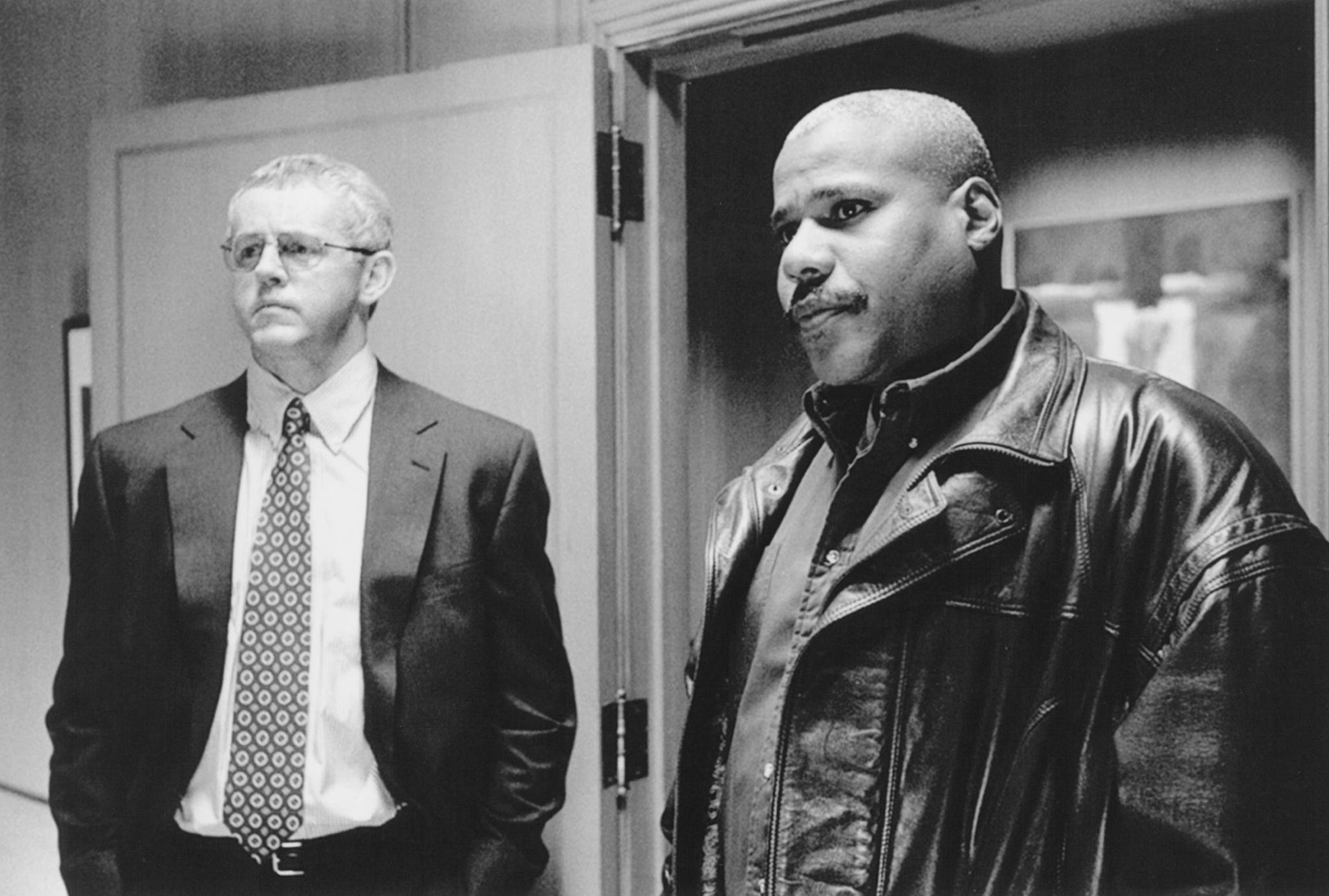
He once again pops up in a small but unbelievably crucial role in Contact (1997). His character is part of the film’s deeply strange and moving final gambit, a hard pivot sci-fi dreamscape sequence that turned people off upon release and still seems to be a barrier for some people. No such issues for me. Best scene in a nearly perfect film, probably Zemeckis’s best, largely due to that shorthand integrity Morse brings to almost every role, whether the movie is good or bad.
At this point we’re fully cooking. Morse plays a SWAT Commander in The Negotiator (1998) (third billed). He’s a prison guard in The Green Mile (1999) (spiritually third billed, regardless of how he’s actually listed). He’s a treasury agent in the Antoine Fuqua-directed Jamie Foxx vehicle Bait (2000), basically right before Fuqua and Foxx’s film careers really took off in earnest one year later. Most importantly, of maybe any Morse performance, he plays a local police officer named Bill Houston in Lars Von Trier’s masterpiece Dancer in the Dark (2000).
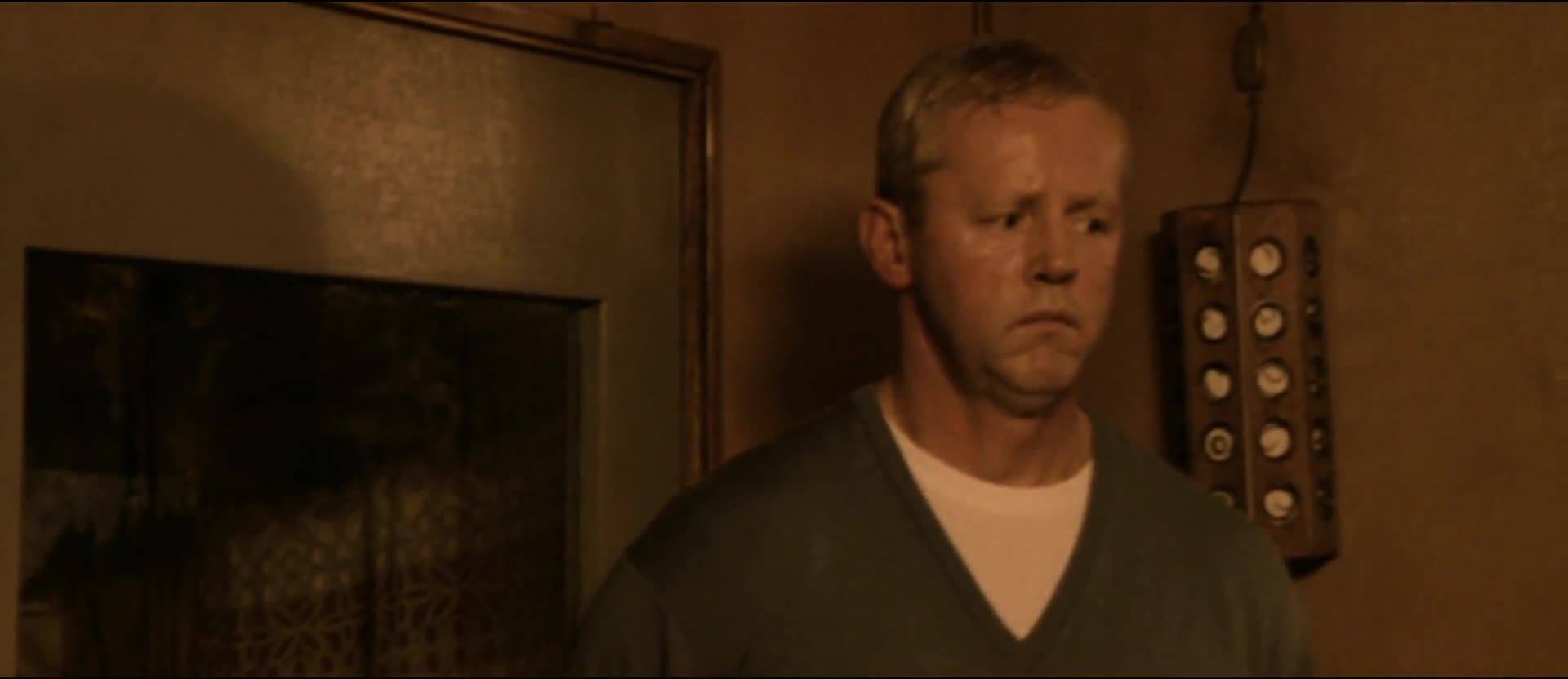
Dancer in the Dark involves the dissolution of the life of Selma (Bjork), a factory worker gradually going blind whose love for movie musicals helps her escape from the despair of the American experience. Morse’s character exploits her blindness to steal the money she’s been saving to pay for a surgery which may prevent her young son from experiencing blindness himself; in a harrowing scene, the pathetic officer begs Selma to kill him to get back her money and free him from his guilt. She does it, and then, in a haunted musical revery, she imagines him rising from the dead, dancing with her, cleaning up the crime scene, forgiving her for his death. It is the perfect role for Morse; at once repugnant and suddenly full of grace, he embodies all the dimensionality required of a character who can only be resolved through musical fantasia. Von Trier approaches American life with no subtlety, as can be expected, least of all in his choosing a police officer as the primary motivator of American evil; it is performances like Morse’s that ground Von Trier’s miserablism in something nuanced and true.
Morse’s 2000s
In 2002 came the premiere of Hack, a primetime crime drama starring Morse as a disgraced Philadelphia cop who now roams the Philly streets as a vigilante cab driver. That he’s actually just a former cop I’m calling a technicality; he’s “not a cop” like Monk “isn’t a cop.” It is, ultimately, a police procedural.
Hack was created by David Koepp and produced by TV luminaries David Shore and Thomas Carter. A cursory glance through numerous episodes seems to indicate it was a fairly grim affair. Andre Braugher co-stars as Morse’s former partner and much of the show’s structure seems to play on tet-a-tet between the two, so it certainly doesn’t seem to be without merit. The whole show looks to be uploaded to YouTube by someone called “Philly2626,” if you’re so inclined, as I often am, to explore TV lost to time.6
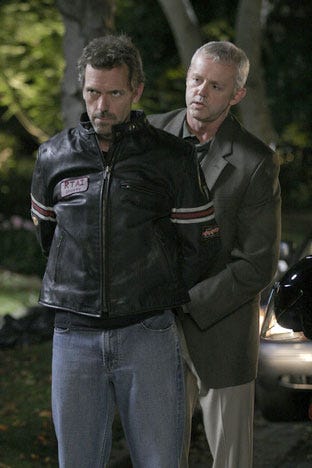
This was Morse’s most prominent TV role since St. Elsewhere, and even in spite of the show’s scant two seasons, his collaborators evidently took note. Co-producer David Shore would call on Morse to portray Detective Michael Tritter in the third season of House M.D. (2006-07), which Shore created and showran. An antagonist and foil to House, the character earned Morse an Emmy nomination, and though the character apparently only appears in six of the season’s 24 episodes, his shadow is cast over the whole season. It was the show’s highest rated season—it likely remains one of Morse’s highest profile roles, which is funny, because Morse thought the show was really annoying and hesitated to play the character at all for that reason.
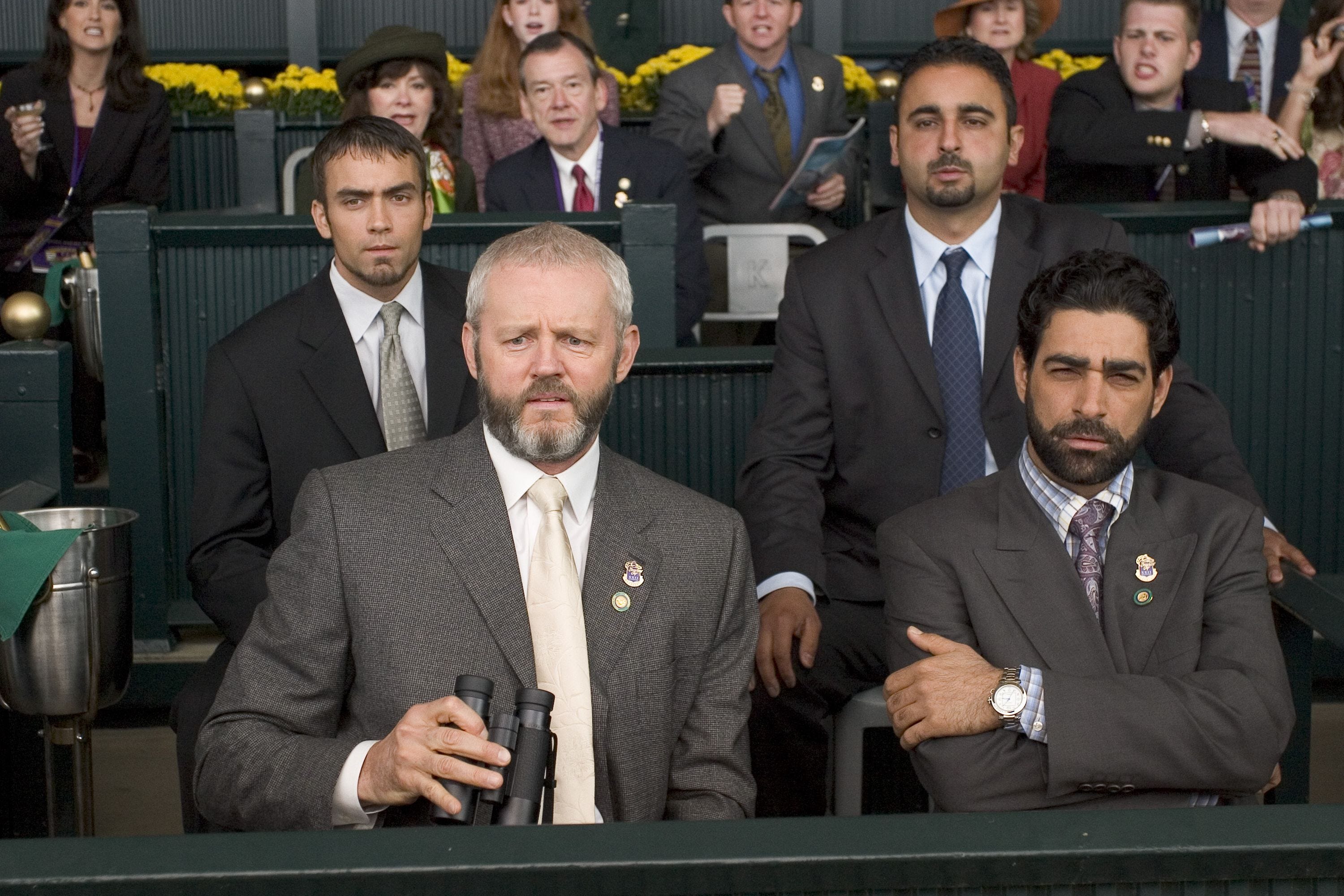
In movies, Morse played an FBI agent in the Hong Kong mystery film Double Vision (2002) and a US Army Special Forces soldier in the short film A.W.O.L (2006). He does not play a cop in 2005’s Dreamer, but I love this image, so I’m sharing it anyway:
The same year as his season of House, he co-starred (guess his billing) in 16 Blocks (2006) as Detective Frank Nugent, a corrupt cop conspiring to kill a witness played by Yasiin Bey. He goes up against Bruce Willis7, who tries to traverse the film’s titular 16 New York City blocks to get Bey on the witness stand while a veritable army of officers try to stop him.
He portrayed a fancy old-timey cop called George Washington in the HBO miniseries John Adams (2008), where he unfortunately looks like this:
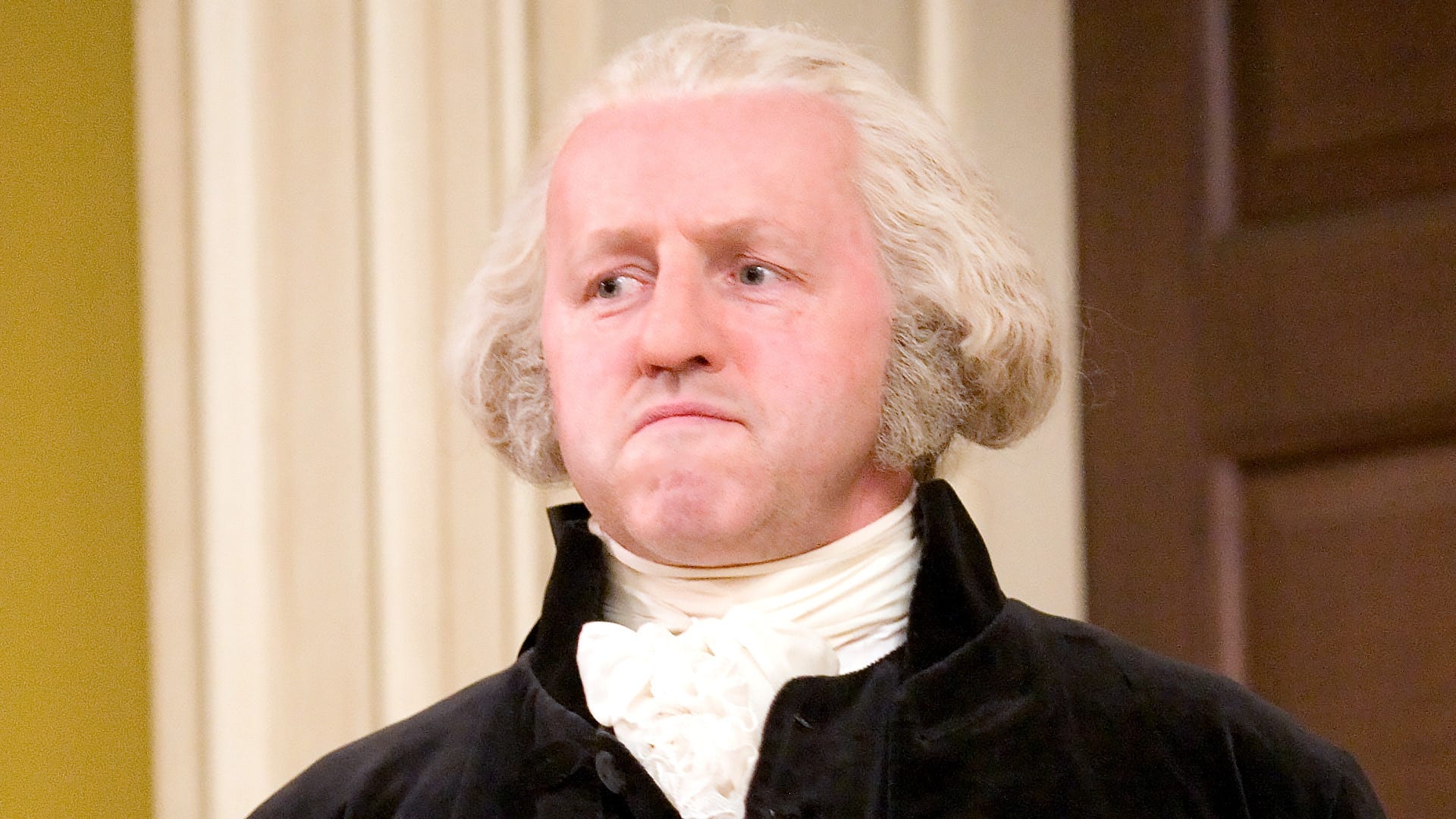
He next portrayed a cop in The Hurt Locker8, marking the first and so far last time Morse played a cop in a film that won the Academy Award for Best Picture. He plays Colonel Reed and to be quite honest I do not remember him in the film, but I bet he’s great.
the 2010s and beyond
In 2010 he joined the David Simon series Treme, making a few appearances in the first season as New Orleans police officer Terry Colson before being elevated to series regular in season two. He is, at last, an officer with actual integrity; his character is working with the FBI to weed out corruption in the force. Despite being a longtime The Wire fan I only watched season one and a little bit of season two of Treme because I found it too unrelentingly despairing.
In 2012 he appeared as The Lorax in a Robot Chicken segment. Is The Lorax a cop? Hard to say, I leave that to you, reader. The same year he appeared as General Douglas MacArthur in a Japanese series called Victory in Defeat.
In 2013 Morse starred in and produced a film called McCanick, where he plays the titular detective on the hunt for a criminal played by Cory Monteith, who died several weeks before the film’s TIFF premiere. The film got bad reviews and looks completely terrible.
Also in 2013 Morse appeared in World War Z, and I just have to share exactly what Wikipedia says on this: Morse, a CIA agent, helps Brad Pitt’s hero learn he needs to go to Israel, where the Mossad have built a wall to keep zombies out and provide a safe haven for refugees. There, the refugees are partying too loud, and zombies breach their wall as a result. Excuse me???
In 2018 he once again played a prison guard in Escape from Dannemora. This thus far marks the last time Morse has played a cop on television.
And in 2021, David Morse played a character simply called “The Deputy” in The Virtuoso, the (thus far) final film featuring Morse as a cop.
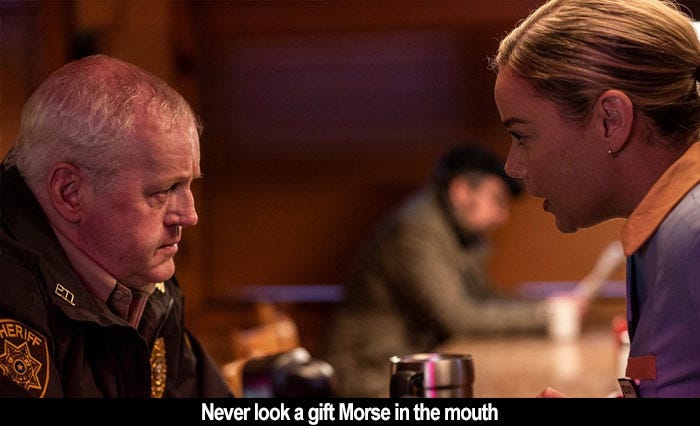
It is apparent, going through his filmography, examining the kinds of characters Morse has played, that he gravitates toward a certain pathetic, sadsack middle-aged man—often well-meaning, but broken, probably alcoholic, perhaps violent, sometimes evil. That no small percentage of these men (just a little under 20%, if my math is right) are cops…well, it says it all, I think.
In the words of Jon Bois, “What did we learn? Absolutely nothing, less than nothing. Just the way I like it.”
Appearing in a PBS TV show about science: perfect training for his crucial supporting turn in Contact
worth noting just how many TV movies Morse co-starred in that are notably among the most-watched primetime programming of their respective blocks; to a certain TV watcher of the 80s, Morse would’ve been a genuine star.
Contact connection #2: did he get the part because of this appearance in Tales from the Crypt, which Zemeckis co-produced?
While researching the many barely-existent TV films in his 80s and 90s filmography, I found this tremendous website, David Morse Online:

He received exorbitant praise and numerous awards for his performance as Uncle Peck in the 1997-1998 play How I Learned to Drive, which sounds remarkably depressing. He would eventually be nominated for a Tony 15 years later for reviving the role alongside co-star Mary-Louise Parker on Broadway.
Glancing through some of these YouTube thumbnails also revealed to me that Matt Czuchry, aka Rory’s best boyfriend Logan from Gilmore Girls, costars in the second season.
For the second time, reuniting from 12 Monkeys a decade prior
soldiers are international cops, if I have not yet made this clear. same for presidents, because they’re commanders in chief, I guess
Rob, this is genuinely overwhelming (complimentary)